
How Hearing Aids Work
Posted on January 1, 2019, by Lakeland Hearing Care – Part of Central Florida Speech & Hearing Center // Posted in
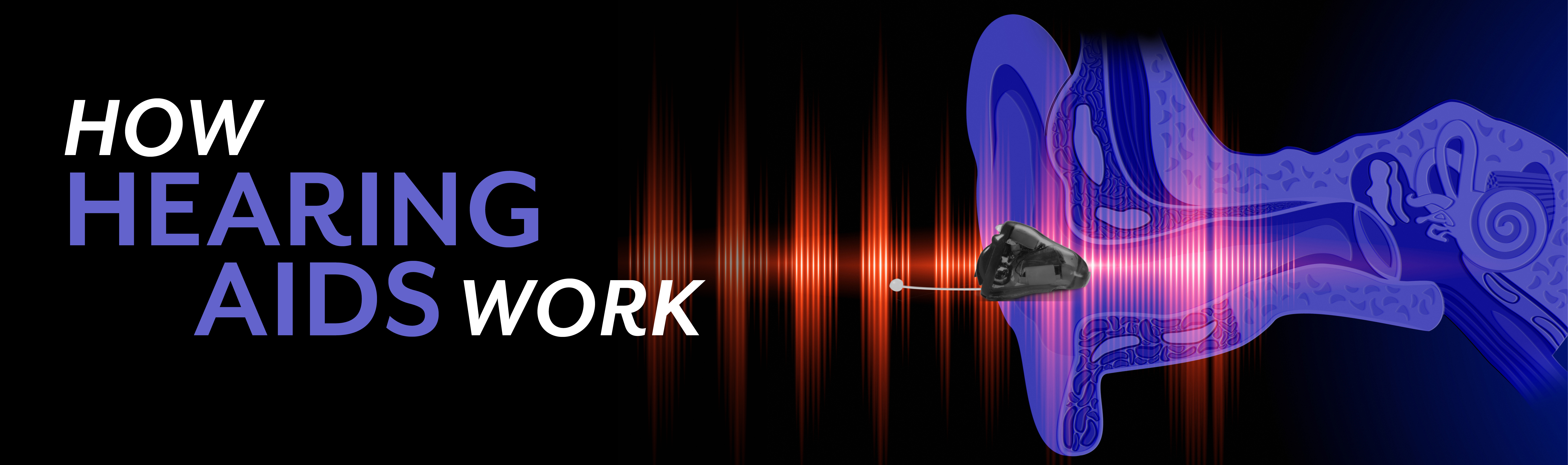
If you or someone you know has hearing technology, you understand how life-changing it can be, leading to even stronger connections to loved ones and a renewed vigor for life. But have you ever stopped to wonder just how those amazing little life-changers work?
It might surprise you to know that the basics haven’t changed over the last several hundred years. Let’s start with the ear trumpet.
The Ear Trumpet
All things considered, the ear trumpet was a decent alternative to hearing loss. How did it work? It:
- Collected sound waves
- Amplified the sound waves by making them more orderly and concentrated
- Funneled the amplified sound waves into your ear canal
After that, the amplified sound waves traveled to the eardrum and beyond, where hearing happened. How does that compare to today’s hearing aids?
The Modern Hearing Aid
Today’s hearing aids work on the same principles. Just like the ear trumpet, today’s hearing aid:
- Collects sound waves
- Amplifies the sound waves
- Funnels the amplified sound into your ear canal
After that, the amplified sound waves travel to your eardrum and beyond, where hearing happens.
There are two major differences, however, between the ear trumpet and today’s hearing aids: digital technology and the capabilities of an experienced provider. Let’s take a look.
-
Directional microphones
Many modern hearing aids have directional microphones, which means they determine — in the moment — which sounds belong to your conversation partner and focus on those sounds, rather than all the other background noise.
-
Digital processor
Many hearing devices come with a digital chip that optimizes the sound quality by, for example, reducing background noise, canceling feedback, and reducing the noise caused by wind blowing across your hearing device.
-
Multichannel amplifier
Today’s amplifiers can analyze incoming sound based on your specific hearing needs and then amplify (or reduce) the volume accordingly. For example, it can boost the volume of your child’s voice while leaving the sound of your neighbor’s truck engine as is. In many ways, it’s like the equalizer channels on a stereo, only more sophisticated!
-
Binaural processing
This is a fancy way to say your hearing aids communicate with each other. This keeps them working in sync, and it means you can stream audio from one hearing aid to the other (for example, you can hear a phone call from your smartphone in both ears at the same time).
-
Remote, discreet adjustments
Many hearing devices today can pair with an app on your smartphone. Depending on the make and model of hearing tech, you can use the app to control volume and settings, set program preferences for favorite locations, and even stream audio from your smartphone directly to your hearing devices.
-
Experienced provider
At every step in your better-hearing journey, your provider takes into account your hearing lifestyle. Do you go to concerts? Or do you spend a lot of time in the library? Each lifestyle requires a specific technology with deft, nuanced programming considerations. Your provider ensures everything is in order and meets your ever-evolving hearing needs.
Same Ol’ Story
As you can see, the more hearing care stays the same, the more it changes. No matter the method we use at each step, tech will only get more sophisticated as the years go by. What might hearing technology look like in the year 2060?
Got Questions?
We’ve got answers and we’re standing by to help.
Recent Posts
- The Impact of Untreated Hearing Loss
- Supporting Loved Ones With Hearing Loss
- Warm Ears Are Healthy Ears
- Think You’re Not a Candidate for Hearing Aids? You Might Be Surprised!
- Start the Year With Better Hearing in BOTH Ears
Popular Topics
Accessories Balance Communication Community Comorbidity Disorders Earwax Hearing Aid Repairs Hearing Aids Hearing Care Hearing Health Hearing Loss Hearing Protection News Nutrition Technology Tinnitus Travel
Got Questions?
We’ve got answers and we’re standing by to help.